
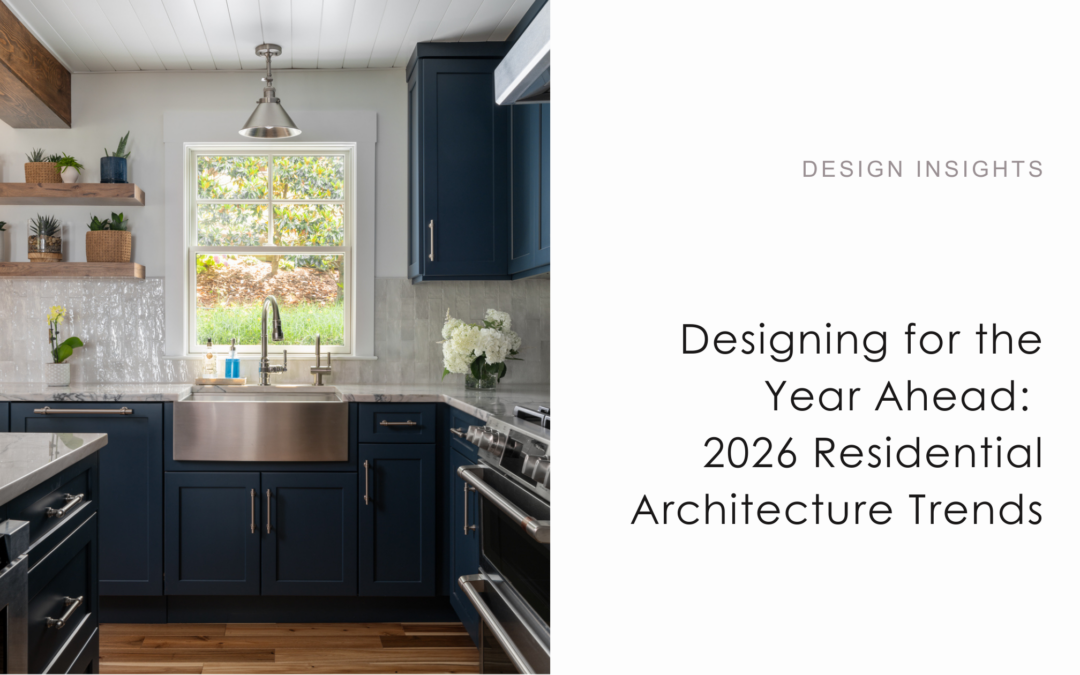
As we move into 2026, residential architecture is being shaped less by aesthetics alone and more by performance, longevity, and lived experience. Homeowners are increasingly focused on homes that can adapt to climate realities, changing family needs such as aging in place, and evolving expectations around comfort and sustainability.
At HD Squared Architects, we look at trends as indicators of how people want to live, not as styles to replicate. These trends are shaping 2026 and influencing how thoughtful, long-lasting homes are designed.
1. Resilience as a Core Design Standard
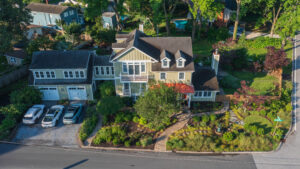
Resilience has become a baseline expectation in residential architecture. In 2026, homeowners are prioritizing durability, climate responsiveness, and long-term performance, particularly in regions like Maryland where flooding, heat, and severe storms are ongoing concerns.
This shift is reflected in strategic siting decisions, durable material selections, and construction details that anticipate environmental stress rather than reacting to it. For homeowners, resilient design offers long-term confidence in how their home will perform.
2. Right-Sized Homes with Intentional Layouts
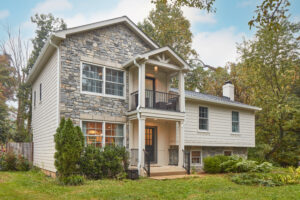
Say goodbye to McMansions. Instead of building larger homes, many clients are choosing to build smarter ones. We’re seeing an emphasis on thoughtful square footage, efficient circulation, and spaces designed around daily use rather than occasional needs.
This approach reduces wasted space while creating homes that feel comfortable, flexible, and purpose-driven. Well-planned layouts often deliver a higher quality of life than larger, less intentional designs.
3. Homes Designed for Aging in Place and Multi-Generational Living
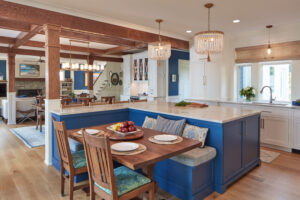
Designing for long-term livability continues to shape residential architecture. Aging in place is no longer a future consideration but a current design priority for many homeowners.
Incorporating first-floor living options, adaptable room uses, and accessible bathroom layouts early in the design process allows homes to remain functional through changing life stages. At HD Squared, we also transform existing homes to create this accessibility that is often called ‘Universal Design’. Multi-generational living is also influencing residential layouts, with greater attention given to privacy, flexibility, and shared spaces.
4. A Warmer Approach to Modern Design
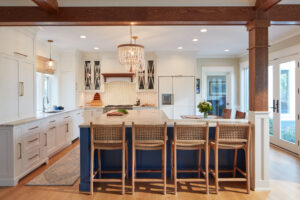
The clean lines of modern architecture remain popular, but trends show a clear shift toward warmer, more approachable interiors. Natural materials, layered textures, and softer color palettes are replacing stark minimalism.
This evolution reflects a desire for homes that feel contemporary yet comfortable. The result is residential architecture that balances clarity of design with warmth and livability.
5. Energy Efficiency as a Standard Expectation
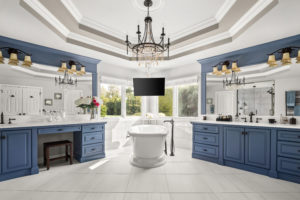
Energy efficiency is assumed rather than marketed. Homeowners expect high-performing building envelopes, efficient mechanical systems, and designs that support year-round comfort.
Rather than focusing on individual technologies, residential design is moving toward integrated performance. These choices quietly improve comfort, reduce energy use, and support long-term return on homeowner’s investment.
6. Outdoor Living Designed for Real Use
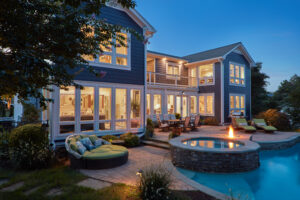
Outdoor spaces remain important, but their design is becoming more intentional. Homeowners are looking for outdoor areas that are usable across seasons and thoughtfully connected to interior spaces.
Shading, orientation, and protection from weather are increasingly considered during early design phases. When done well, outdoor living areas extend the home while responding to climate conditions.
Looking Ahead
The residential architecture trends shaping 2026 reflect a broader shift toward intentional, resilient, and adaptable design. Homeowners want houses that perform well, support long-term living, and feel grounded rather than trend-driven.
At HD Squared Architects, we design homes and transform existing ones that balance performance, flexibility, and craftsmanship. As the year ahead unfolds, the most successful residential designs will be those that are prepared for change while remaining rooted in thoughtful, enduring design principles.
Call 443-898-9480
HD Squared Architects
79 West Street, Level 2, Annapolis, MD 21401
Mon – Fri: 8:30 am – 5 pm
Evenings/weekends by appointment.
 |  |
Woman-Owned Business
©2025 HD Squared Architects, LLC



Recent Comments